Agent products
Collaborate deeply with international brands
to build an enterprise-grade stable architecture!

Collaborate deeply with international brands
to build an enterprise-grade stable architecture!



















Founded in July 2008, Dingyuan Technology Co., Ltd. focuses on the ICT (Information Communication & Technology) field, dedicated to providing comprehensive solutions for the telecommunications industry, enterprises, and educational institutions.
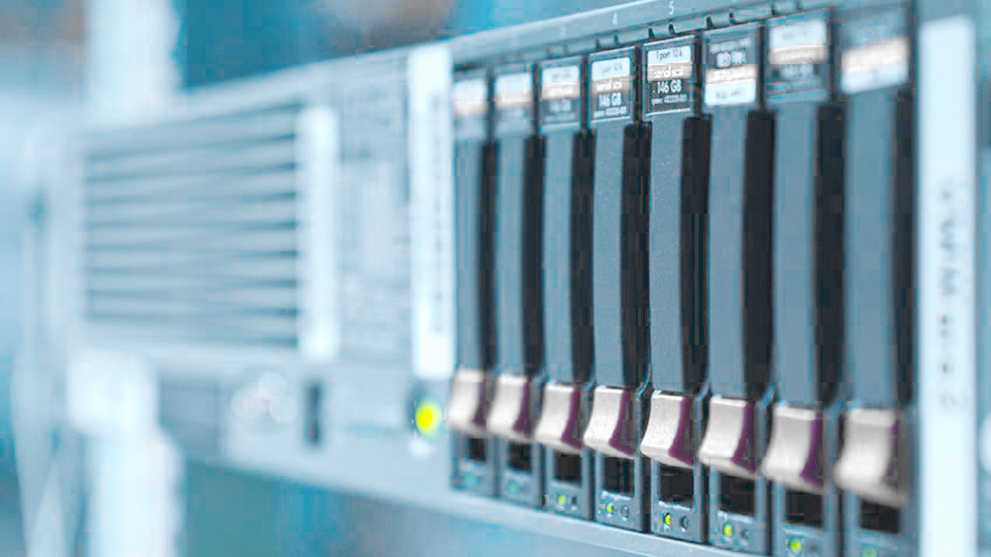
As a professional system integrator (SI), we continuously introduce core technologies and equipment required for OSS/BSS platforms in the telecommunications industry, covering servers, storage systems, network equipment, cybersecurity protection, and various platform software, assisting customers in building robust, secure, and efficient ICT infrastructures.
We deeply understand that technology is the core of quality service. Therefore, we continuously introduce products and innovative solutions that meet customer needs, flexibly respond to the ever-changing market environment, build team consensus, and create maximum value for our customers.


Splunk's log management solution breaks away from traditional log collection methods. It directly indexes machine data such as server system logs, network device logs, application logs, and system logs, providing real-time and historical data search and analysis capabilities. Its architecture boasts highly scalable distributed parallel computing capabilities, employing a multi-layered design of Forewarder → Indexer → Search Head, enabling rapid processing of large volumes of data and support for diverse data source formats. Through this architecture, enterprises can improve data visibility, shorten problem detection and resolution time, strengthen monitoring and auditing capabilities, and ultimately enhance overall operational and cybersecurity performance.

Palo Alto Networks' next-generation firewall, in addition to traditional packet filtering, focuses on dynamic threat analysis using App-ID® application identification, User-ID® user identification, Content-ID® content identification, and WildFire® cloud sandbox, achieving comprehensive visibility and control over applications, users, content, and devices. This platform features a horizontally scalable parallel computing architecture and real-time updated signatures, supporting complex environments such as multi-cloud, public/private cloud, and edge computing. It helps enterprises confidently deploy emerging applications and services while ensuring impeccable information security.

HPE Synergy employs a modular, software-defined, and API-programmable architecture, abstracting computing, storage, networking, and Fabric resources into "composable resource pools." This supports any workload and enables an "Infrastructure as Code" deployment model. Enterprises can rapidly deploy, reconfigure, or scale their IT infrastructure through a single interface or a single line of code, leaping from traditionally month-long deployments to minute- or even second-level deliveries, supporting cloud, containerized, and hybrid cloud environments much faster. This architecture effectively improves resource utilization, reduces OT/CAPEX and operating costs, and achieves agile deployment and cloud efficiency.
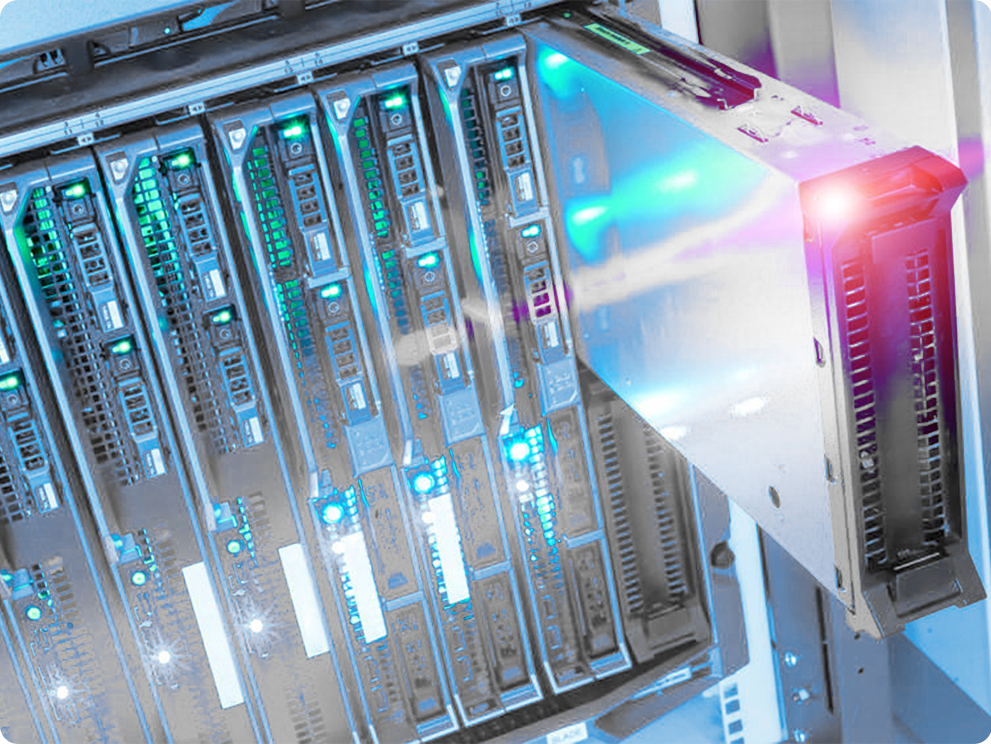
In the transition to hybrid infrastructure, enterprises face challenges in terms of agility, resilience, and cost-effectiveness. HPE, for example, uses modular design, automated control, and API management to enable rapid provisioning and dynamic reconfiguration of computing, storage, and network resources. It helps enterprises: ① prioritize infrastructure projects strategically; ② adopt best practices including cloud, software-defined infrastructure, and elastic capacity; ③ execute transformation synchronously across technology, processes, people, and governance; and ④ advance IT delivery models in sync with business needs, reducing enterprise risk while accelerating the transition to hybrid delivery.

ArubaOS 8 and ClearPass form an enterprise-grade wireless/wired/WAN integration platform, enabling network-as-code management through REST APIs and cloud dashboards, supporting Wi-Fi, IoT, and edge devices. Its App-ID, User-ID, and content identification technologies provide application identification, user identification, and content protection capabilities, and the Zero Trust architecture allows for real-time control of unknown device access. Partnership models such as "Network as a Service" (NaaS) can transform hardware procurement into operating expenses, supporting the connectivity wave brought by mobile devices and IoT with lower risk and higher efficiency.


© 2025 Dinyen Technology Inc. All rights reserved.